Cornea Disease
Cornea Disease Management: Expert Care for Clear & Healthy Vision at Dr. Mahfuj Eye & Oculoplasty Centre
At Dr. Mahfuj Eye & Oculoplasty Centre, we understand that conditions affecting the cornea, the clear front window of your eye, can dramatically impact your vision and comfort. Led by Dr. Md. Mahfujullah, a highly skilled Eye Specialist, Phaco & Oculoplastic Surgeon, our centre provides comprehensive diagnosis and advanced treatment for a wide range of corneal diseases. Our goal is to preserve and restore your corneal health, ensuring clear vision and alleviating discomfort.
What is the Cornea?
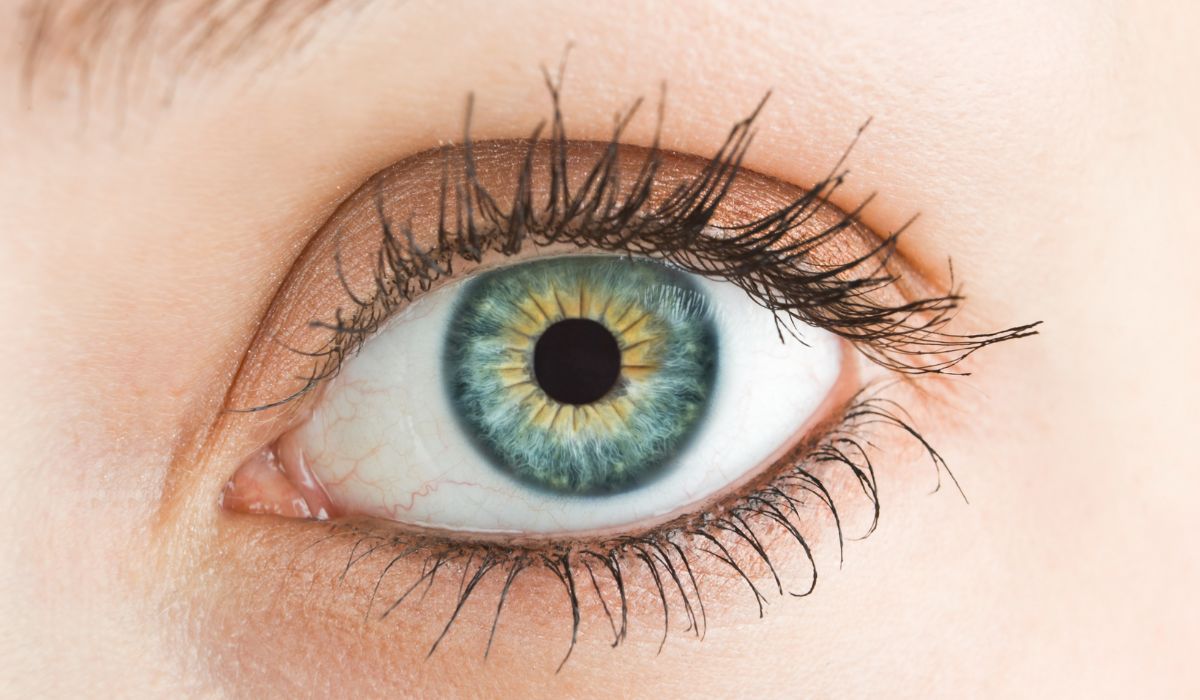
The cornea is the transparent, dome-shaped outer layer at the very front of your eye. It works like a camera’s clear front lens, playing a crucial role in focusing light onto the retina, providing much of the eye’s focusing power. The cornea also acts as a protective barrier against dust, germs, and other external elements. Because it is clear and avascular (without blood vessels), it must remain perfectly transparent for optimal vision.
Common Cornea Diseases We Manage
A variety of conditions can affect the cornea, leading to pain, vision impairment, and other symptoms. Dr. Mahfujullah specializes in the diagnosis and management of:
- Keratitis (Corneal Infections): Inflammation of the cornea, often caused by bacteria, viruses (e.g., Herpes Simplex), fungi, or parasites (e.g., Acanthamoeba). Can be severe, leading to ulcers and vision loss if untreated.
- Corneal Ulcers: Open sores on the cornea, usually resulting from severe infections or injuries. They are very painful and require urgent treatment.
- Dry Eye Syndrome (Severe/Chronic): While common, severe or chronic dry eye can damage the corneal surface, leading to pain, persistent irritation, and blurred vision.
- Keratoconus: A progressive eye disease where the normally round cornea thins and begins to bulge into a cone-like shape. This causes distorted and blurred vision.
- Corneal Dystrophies: A group of genetic conditions that cause abnormal material to accumulate in one or more layers of the cornea, leading to clouding or vision impairment (e.g., Fuchs’ Dystrophy).
- Corneal Abrasions and Injuries: Scratches, foreign bodies, or chemical burns to the corneal surface.
- Corneal Edema: Swelling of the cornea, often due to underlying conditions like Fuchs’ dystrophy or after eye surgery.
- Pterygium: While covered separately, a pterygium can grow onto the cornea and affect vision, requiring management.
Symptoms of Corneal Disease
Symptoms can vary depending on the specific condition but commonly include:
- Eye Pain: Often sharp, intense, or a foreign body sensation.
- Redness of the Eye: Often significant.
- Blurred or Hazy Vision: Can range from mild to severe, often fluctuating.
- Sensitivity to Light (Photophobia): Discomfort in bright environments.
- Excessive Tearing: Watery eyes.
- Discharge from the Eye: Clear, white, or yellowish discharge.
- A Feeling of Something in the Eye: Persistent foreign body sensation.
- Visible Clouding or White Spot on the Cornea: Indicating infection or scarring.
If you experience any of these symptoms, especially sudden onset pain or vision loss, seek prompt ophthalmological evaluation.
Causes and Risk Factors for Cornea Disease
Causes and risk factors are diverse and specific to each condition:
- Contact Lens Use: Improper use, poor hygiene, or extended wear greatly increase the risk of corneal infections.
- Eye Injury or Trauma: Physical impact, foreign bodies, chemical exposure.
- Infections: Bacteria, viruses (Herpes Simplex, Varicella-Zoster), fungi, parasites.
- Allergies: Can cause chronic inflammation leading to corneal issues.
- Dry Eye: Insufficient tear production or poor tear quality.
- Genetics: Many dystrophies, including Keratoconus and Fuchs’ Dystrophy, have a genetic component.
- UV Light Exposure: Contributes to conditions like pterygium.
- Weakened Immune System: Can make eyes more susceptible to infections.
- Previous Eye Surgery: Can sometimes affect corneal health.
Diagnosis of Cornea Disease
Accurate diagnosis is crucial for effective treatment. Dr. Mahfujullah utilizes advanced diagnostic tools for precise evaluation:
- Comprehensive Eye Examination: Includes a detailed history of symptoms and medical background.
- Slit-Lamp Examination: A high-magnification microscope is used to examine the cornea in detail, layer by layer, identifying abnormalities, inflammation, or ulcers.
- Corneal Staining: Using special dyes (like fluorescein) to highlight abrasions, ulcers, or dry spots.
- Corneal Topography: A specialized test that maps the curvature and shape of the cornea, essential for diagnosing and monitoring conditions like Keratoconus.
- Pachymetry: Measures corneal thickness.
- Corneal Biopsy/Culture: In cases of severe infection or suspicious lesions, a small sample may be taken for laboratory analysis to identify the causative organism or rule out malignancy.
- Anterior Segment OCT: Provides high-resolution cross-sectional images of the cornea and anterior structures.
Cornea Disease Management and Treatment Options
Treatment plans for corneal diseases are highly individualized, aiming to reduce symptoms, eliminate the underlying cause, and preserve vision. Dr. Mahfujullah offers a full spectrum of advanced treatment options:
- Medications:
- Antibiotic, Antiviral, Antifungal, or Antiparasitic Eye Drops/Oral Medications: To treat corneal infections.
- Anti-inflammatory Eye Drops: To reduce inflammation and pain.
- Lubricating Eye Drops (Artificial Tears): For dry eye syndrome and to promote healing of minor abrasions.
- Therapeutic Contact Lenses:
- Bandage Contact Lenses: To protect the cornea during healing after injuries or procedures.
- Scleral Lenses: Custom-designed large diameter contact lenses for irregular corneas (e.g., Keratoconus, severe dry eye), providing superior vision and comfort.
- Corneal Cross-Linking (CXL):
- A procedure used for Keratoconus to strengthen the corneal tissue and halt the progression of bulging, preventing further vision loss. It involves applying riboflavin eye drops followed by exposure to UV light.
- Surgical Procedures:
- Corneal Debridement: Gentle scraping of infected or unhealthy corneal tissue.
- Pterygium Excision: Surgical removal of the fleshy growth from the cornea (as previously detailed).
- Corneal Transplant (Keratoplasty): When the cornea is severely damaged or scarred, a corneal transplant may be necessary to restore vision. This involves replacing the diseased cornea with healthy donor corneal tissue. Types include:
- Penetrating Keratoplasty (PK): Full-thickness corneal transplant.
- Lamellar Keratoplasty (DALK, DSAEK, DMEK): Partial-thickness corneal transplants, replacing only the diseased layers while preserving healthy ones, often leading to faster recovery and fewer complications.
- Amniotic Membrane Transplantation: Using a natural membrane to promote healing and reduce inflammation for certain corneal surface conditions.
Dr. Mahfujullah will discuss the most appropriate treatment strategy for your specific condition, explaining the benefits, risks, and expected outcomes.
Benefits of Cornea Disease Treatment
Effective management of corneal diseases can lead to significant improvements:
- Preservation and Restoration of Vision: Prevents permanent vision loss and often improves existing vision.
- Alleviation of Pain and Discomfort: Reduces symptoms like eye pain, redness, tearing, and foreign body sensation.
- Prevention of Complications: Stops progression of disease and avoids more severe damage or infection.
- Improved Quality of Life: Allows you to resume daily activities without the hindrance of eye discomfort or blurry vision.
Your Questions Answered
We encourage you to ask questions and be an active participant in your care. Here are some common inquiries you might have regarding cornea disease management:
- What is the specific corneal condition I have, and what caused it?
- What are the most effective treatment options for my condition?
- Will my vision improve after treatment?
- What are the potential risks or side effects of the recommended treatment?
- How long will the recovery take if surgery or a procedure is needed?
- What steps can I take to prevent recurrence or manage my condition long-term?
Dr. Mahfujullah and his team are here to address all your concerns and provide clear, understandable answers, guiding you through every step of your corneal health journey.
Why Choose Dr. Mahfuj Eye & Oculoplasty Centre for Cornea Disease Management?
- Specialized Expertise: Dr. Md. Mahfujullah is an experienced Eye Specialist with a deep understanding of complex corneal conditions, offering precise diagnosis and advanced medical and surgical treatments.
- Advanced Diagnostic Capabilities: We utilize state-of-the-art technology like corneal topography and anterior segment OCT for accurate and detailed corneal assessment.
- Comprehensive Treatment Options: From medical management and advanced therapeutic contact lenses to corneal cross-linking and various types of corneal transplantation, we offer a full range of solutions.
- Focus on Vision Preservation: Our primary goal is to protect your corneal health and preserve your sight through timely and effective intervention.
- Patient-Centered Care: We prioritize your comfort and well-being, providing compassionate support and clear communication throughout your treatment journey.
Schedule Your Consultation
If you are experiencing symptoms of cornea disease, have a history of corneal problems, or need expert evaluation, contact Dr. Mahfuj Eye & Oculoplasty Centre today for a comprehensive consultation. Your clear vision is our priority.
Contact Us:
- Phone/WhatsApp: 01914-203595
- Other Numbers: 01843-220-804, 01830-864-661
- Location: Al-Helal Specialized Hospital, 150 Begum Rokeya Sarani, Senpara Parbata, Mirpur 10, Dhaka 1216
- Hours: Monday – Thursday, 5 PM – 10 PM
Trust your eyes to the expert care at Dr. Mahfuj Eye & Oculoplasty Centre. We are dedicated to enhancing your vision and eye health.