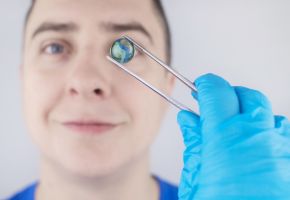
Cataract/Phaco Surgery
Cataract & Phaco Surgery: Restoring Clear Vision at Dr. Mahfuj Eye & Oculoplasty Centre
At Dr. Mahfuj Eye & Oculoplasty Centre, we understand that cataracts can gradually dim your world, blurring your vision and diminishing your independence. Led by Dr. Md. Mahfujullah, a highly skilled Eye Specialist and an expert Phaco & Oculoplastic Surgeon, our centre offers advanced cataract diagnosis and state-of-the-art phacoemulsification (Phaco) surgery. Our commitment is to restore your clear vision, enhance your quality of life, and help you see the world brightly again.
What is a Cataract?
A cataract is a clouding of the eye’s natural lens, which sits behind the iris (the colored part of your eye) and the pupil. The lens normally works like a camera lens, focusing light onto the retina at the back of the eye, producing sharp images. When a cataract forms, the lens becomes cloudy, light cannot pass through clearly, and vision becomes blurry or hazy.
Cataracts typically develop slowly and are a very common part of aging, though they can occur at any age due to various factors.
Symptoms of Cataracts
The symptoms of cataracts usually progress gradually. You might experience:
- Blurred, Cloudy, or Dim Vision: As if looking through a frosty or dirty window.
- Difficulty with Night Vision: Halos around lights, increased glare from headlights, or trouble seeing in low light.
- Sensitivity to Light and Glare: Particularly from bright lights or sunlight.
- Fading or Yellowing of Colors: Colors may appear less vibrant or have a yellowish tint.
- Frequent Changes in Eyeglass or Contact Lens Prescriptions: Your vision may constantly change, requiring new prescriptions.
- Double Vision in One Eye: Less common, but can occur if the cataract causes scattered light.
Causes and Risk Factors for Cataracts
While aging is the most common cause, several factors can increase your risk of developing cataracts:
- Age: Most cataracts develop as a natural part of aging, typically starting after age 40 and becoming more common with each decade.
- Ultraviolet (UV) Radiation: Prolonged exposure to sunlight without proper eye protection.
- Diabetes: People with diabetes are at a higher risk of developing cataracts earlier and more rapidly.
- Smoking: Increases the risk and accelerates cataract development.
- Alcohol Consumption: Excessive alcohol intake.
- Eye Injury or Inflammation: Trauma to the eye or certain eye diseases.
- Previous Eye Surgery: Such as for glaucoma.
- Long-term Corticosteroid Use: Oral steroids or certain eye drops.
- Family History: A genetic predisposition.
Diagnosing Cataracts
Diagnosing cataracts is part of a comprehensive eye examination. Dr. Mahfujullah will:
- Vision Acuity Test: To measure how well you can see at various distances.
- Slit-Lamp Examination: Using a special microscope, the doctor examines the lens and other parts of your eye to detect clouding.
- Retinal Examination (Dilated Eye Exam): Eye drops are used to dilate your pupils, allowing the doctor to clearly examine the retina and optic nerve at the back of your eye.
When to Consider Cataract Surgery
Cataract surgery is typically recommended when cataracts begin to significantly impact your vision and quality of life, making daily activities difficult or unsafe. This includes:
- Difficulty reading, driving (especially at night), or watching television.
- Trouble performing hobbies or work tasks.
- Impaired vision that prevents you from living independently.
Unlike in the past, there is no need to wait for a cataract to become “ripe.” Modern surgical techniques make earlier intervention safer and more effective.
What is Phaco Surgery (Phacoemulsification)?
Phacoemulsification, or Phaco surgery, is the most advanced and widely performed cataract removal technique worldwide. It is a highly effective, safe, and minimally invasive procedure.
During Phaco surgery:
- Tiny Incision: A very small incision (typically less than 3mm) is made at the edge of the cornea.
- Ultrasound Technology: A tiny probe is inserted through this incision. This probe emits high-frequency ultrasound waves that gently emulsify (break up) the cloudy cataract lens into microscopic pieces.
- Aspiration: These tiny pieces are then gently suctioned out of the eye.
- IOL Implantation: Once the natural cloudy lens is removed, a custom-selected Intraocular Lens (IOL) is precisely folded and inserted through the same small incision. The IOL unfolds inside the eye and takes the place of the natural lens, restoring clear vision.
This small incision typically does not require stitches, allowing for faster healing and reduced risk of complications.
Types of Intraocular Lenses (IOLs)
At Dr. Mahfuj Eye & Oculoplasty Centre, we offer a range of advanced IOLs to suit individual visual needs and lifestyles:
- Monofocal IOLs: Provide clear vision at a single focal point (usually distance vision). Patients typically need reading glasses for near tasks.
- Multifocal IOLs: Designed to provide clear vision at multiple distances (near, intermediate, and far), potentially reducing or eliminating the need for glasses after surgery.
- Toric IOLs: Correct astigmatism (an irregularly shaped cornea) in addition to replacing the cloudy lens, providing sharper vision without glasses for many patients with astigmatism.
- Extended Depth of Focus (EDOF) IOLs: Provide a continuous range of vision from distance to intermediate, with some functional near vision, often reducing spectacle dependence.
Dr. Mahfujullah will discuss your lifestyle, vision goals, and eye health to help you choose the best IOL for you.
The Cataract Surgical Process
- Pre-Surgery Evaluation: Thorough eye measurements (biometry) are taken to determine the precise power of the IOL needed for your eye. Your overall health will also be assessed.
- The Procedure: Performed as an outpatient procedure, typically taking 10-20 minutes per eye. It’s usually done under local anesthesia with light sedation, so you are comfortable and relaxed.
- Post-Surgery Care: You will be given detailed instructions for eye drops and activities to avoid. A protective shield may be worn.
Benefits of Phaco Surgery
- Restored Clear Vision: The most significant benefit, allowing you to see colors more vibrantly and images more sharply.
- Improved Quality of Life: Enhanced ability to read, drive, pursue hobbies, and perform daily activities.
- Minimally Invasive: Small incision, faster healing, and reduced discomfort.
- High Success Rate: Phacoemulsification is one of the safest and most effective surgical procedures performed today.
- Reduced Dependence on Glasses: Especially with advanced IOLs, many patients experience significantly reduced reliance on glasses for distance, intermediate, and even near vision.
Recovery Process
Most patients experience significant vision improvement within a few days of surgery, though full recovery can take several weeks. You might experience mild discomfort, watery eyes, or light sensitivity initially. It’s crucial to follow all post-operative instructions, including using prescribed eye drops and avoiding strenuous activities, eye rubbing, and exposure to dust or dirty water.
Your Questions Answered
We encourage you to ask questions and be an active participant in your care. Here are some common inquiries you might have regarding cataract and Phaco surgery:
- When is the right time to consider cataract surgery?
- What is the difference between Phaco surgery and traditional cataract surgery?
- What type of Intraocular Lens (IOL) is best for my vision needs?
- What are the risks and potential side effects of cataract surgery?
- What should I expect during and after the surgical procedure?
- How long will my recovery take, and what precautions should I follow?
Dr. Mahfujullah and his team are here to address all your concerns and provide clear, understandable answers, guiding you through every step of your journey to clearer vision.
Why Choose Dr. Mahfuj Eye & Oculoplasty Centre for Cataract & Phaco Surgery?
- Expert Phaco Surgeon: Dr. Md. Mahfujullah is highly experienced in modern phacoemulsification techniques, ensuring precise and successful outcomes.
- Advanced Technology: We utilize state-of-the-art diagnostic equipment and surgical instruments for accurate IOL calculations and safe, effective surgery.
- Personalized IOL Selection: We offer a range of premium IOL options and provide expert guidance to help you choose the lens that best suits your lifestyle and vision goals.
- Comprehensive Care: From initial diagnosis and pre-operative planning to meticulous surgery and dedicated post-operative follow-up, we provide complete care.
- Patient-Centered Approach: Your comfort, safety, and vision improvement are our top priorities. We ensure clear communication and compassionate support throughout your treatment.
Schedule Your Consultation
If you are experiencing symptoms of cataracts or have been diagnosed with cataracts, contact Dr. Mahfuj Eye & Oculoplasty Centre today for a comprehensive evaluation. Let us help you rediscover the clarity of vision.
Contact Us:
- Phone/WhatsApp: 01914-203595
- Other Numbers: 01843-220-804, 01830-864-661
- Location: Al-Helal Specialized Hospital, 150 Begum Rokeya Sarani, Senpara Parbata, Mirpur 10, Dhaka 1216
- Hours: Monday – Thursday, 5 PM – 10 PM
Trust your eyes to the expert care at Dr. Mahfuj Eye & Oculoplasty Centre. We are dedicated to enhancing your vision and eye health.