Ptosis Management
Ptosis Management: Expert Eyelid Drooping Correction at Dr. Mahfuj Eye & Oculoplasty Centre
At Dr. Mahfuj Eye & Oculoplasty Centre, we understand that a drooping eyelid (ptosis) can not only affect your appearance but also significantly impair your vision and daily activities. Led by Dr. Md. Mahfujullah, a highly skilled Eye Specialist, Phaco & Oculoplastic Surgeon, our centre specializes in comprehensive diagnosis and advanced surgical and non-surgical management for ptosis, helping to restore clear vision, improve eye comfort, and enhance your facial aesthetics.
What is Ptosis?
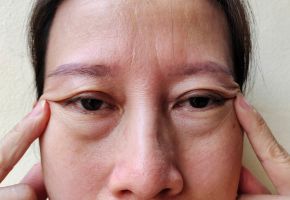
Ptosis (pronounced TOE-sis) is the medical term for a drooping of the upper eyelid. This droop can be mild, barely noticeable, or severe enough to cover the pupil, significantly blocking vision. While ptosis can affect one eye (unilateral) or both eyes (bilateral), it often gives the affected eye a “sleepy” or tired appearance.
It’s crucial to understand the cause of ptosis, as it can range from benign conditions to more serious underlying health issues.
Types and Causes of Ptosis
Ptosis can occur at any age and has various causes:
- Congenital Ptosis: Present at birth, often due to an underdeveloped or malformed levator muscle (the primary muscle responsible for lifting the eyelid). If severe, it requires early intervention to prevent amblyopia (lazy eye).
- Aponeurotic Ptosis (Involutional Ptosis): The most common type in adults, occurring as a result of aging. The levator muscle stretches, thins, or detaches from the eyelid, similar to how other tissues in the body weaken with age.
- Neurogenic Ptosis: Caused by problems with the nerve pathways that control eyelid movement. Examples include:
- Horner’s Syndrome: Affects the nerve supply to the eye and face.
- Third Nerve Palsy: Damage to the third cranial nerve, which controls several eye movements, including eyelid elevation.
- Myogenic Ptosis: Occurs when the levator muscle itself is diseased or weakened. This can be seen in conditions like Myasthenia Gravis, a neuromuscular disorder.
- Mechanical Ptosis: Occurs when something heavy weighs down the eyelid, such as a large skin tumor, swelling, or scarring.
- Traumatic Ptosis: Resulting from an injury to the eyelid or its lifting muscle/nerve.
Symptoms of Ptosis
The most obvious symptom of ptosis is the visible drooping of the upper eyelid. Other symptoms may include:
- Obstructed Vision: The drooping eyelid can block part or all of the vision, especially the upper field of vision.
- Head Tilting/Brow Arching: Patients may unconsciously tilt their head back or constantly raise their eyebrows to lift the eyelid and see better. This can lead to headaches or neck strain.
- Fatigue: Eye fatigue, particularly when reading or focusing.
- Asymmetry: A noticeable difference in the height of the two eyelids.
- Difficulty Closing the Eye (in some cases): While primarily a droopy eyelid, in some rare complex cases, eyelid closure can also be affected.
Diagnosis of Ptosis
Accurate diagnosis is essential to determine the type and cause of ptosis and to plan the most effective treatment. Dr. Mahfujullah will perform a thorough ophthalmic examination, which may include:
- Detailed History: Asking about the onset of ptosis, any associated symptoms, and medical history.
- Vision Testing: To assess how much vision is affected.
- Eyelid Measurements: Precisely measuring the degree of eyelid droop and eyelid muscle function.
- Neurological Examination: To rule out any underlying neurological conditions.
- Specialized Tests: Depending on the suspected cause, further tests such as blood tests (for Myasthenia Gravis) or imaging (CT/MRI for nerve or orbital issues) may be ordered.
Ptosis Management and Treatment Options
Treatment for ptosis varies widely depending on its cause, severity, and the patient’s age and overall health. Dr. Mahfujullah specializes in providing tailored solutions, with surgery being the most common and effective treatment for most types of ptosis.
- Observation: For very mild, non-vision-impairing ptosis, especially in older adults, observation may be sufficient.
- Non-Surgical Management (Temporary/Specific Cases):
- “Crutch” Glasses: Special glasses with a frame that helps to hold the eyelid up. This is a temporary solution, mostly for very mild cases or when surgery is not an option.
- Management of Underlying Conditions: If ptosis is caused by an underlying medical condition (e.g., Myasthenia Gravis), treating that condition may improve the ptosis.
- Surgical Correction (Ptosis Surgery): This is the definitive treatment for most forms of ptosis. The goal is to lift the eyelid to improve vision and achieve a symmetrical, natural appearance. Common surgical techniques include:
- Levator Advancement/Resection: The most common surgery, where the levator muscle (the eyelid-lifting muscle) is tightened or reattached to lift the eyelid to the desired position.
- Müller’s Muscle Conjunctival Resection (MMCR): A less invasive surgery for mild ptosis, performed from the underside of the eyelid.
- Frontalis Sling Surgery: For severe ptosis, particularly in cases where the levator muscle function is very poor (e.g., congenital ptosis), the eyelid is connected to the eyebrow muscle (frontalis muscle) using a sling material (suture, fascia lata graft). This allows the patient to lift the eyelid by raising their eyebrows.
- Post-Operative Care: After surgery, specific eye drops will be prescribed. There will be some swelling and bruising, which typically resolves over a few weeks. Regular follow-up appointments are crucial to monitor healing and results.
Dr. Mahfujullah will carefully assess your condition and discuss the most appropriate surgical technique, explaining the expected outcomes and potential risks.
Benefits of Ptosis Correction
- Improved Vision: Lifting the eyelid clears the visual axis, significantly improving peripheral and central vision.
- Enhanced Appearance: Restores a more alert, symmetrical, and youthful appearance to the eyes and face.
- Reduced Strain: Eliminates the need for constantly tilting the head or raising eyebrows, alleviating associated headaches and neck pain.
- Improved Comfort: Addresses issues like eye fatigue and dryness caused by an improper eyelid position.
- Prevention of Amblyopia: Crucial in children with congenital ptosis to prevent permanent vision loss (lazy eye).
Your Questions Answered
We encourage you to ask questions and be an active participant in your care. Here are some common inquiries you might have regarding ptosis management:
- What is causing my eyelid to droop?
- Is ptosis surgery the right option for me?
- What type of ptosis surgery will provide the best results for my condition?
- What are the potential risks and side effects of ptosis surgery?
- What should I expect during the recovery period after surgery?
- How long will the results of the surgery last?
Dr. Mahfujullah and his team are here to address all your concerns and provide clear, understandable answers, guiding you through every step of your treatment.
Why Choose Dr. Mahfuj Eye & Oculoplasty Centre for Ptosis Management?
- Specialized Oculoplastic Expertise: Dr. Md. Mahfujullah is a highly experienced Oculoplastic Surgeon with a deep understanding of eyelid anatomy and function, ensuring precise diagnosis and optimal surgical outcomes for ptosis.
- Personalized Treatment Plans: We offer a range of advanced surgical techniques, tailored to the specific type and severity of your ptosis and your individual needs.
- Focus on Function and Aesthetics: Our goal is not only to restore vision but also to achieve a natural, symmetrical, and aesthetically pleasing result.
- Comprehensive Pre- and Post-Operative Care: We provide thorough evaluation, clear explanations, and dedicated follow-up to ensure a smooth recovery and successful outcome.
- Accessible and Affordable: Committed to providing high-quality eye care that is both accessible and affordable for all.
Schedule Your Consultation
If you are experiencing a drooping eyelid or have concerns about ptosis, do not hesitate to seek expert evaluation. Contact Dr. Mahfuj Eye & Oculoplasty Centre today to schedule a comprehensive consultation.
Contact Us:
- Phone/WhatsApp: 01914-203595
- Other Numbers: 01843-220-804, 01830-864-661
- Location: Al-Helal Specialized Hospital, 150 Begum Rokeya Sarani, Senpara Parbata, Mirpur 10, Dhaka 1216
- Hours: Monday – Thursday, 5 PM – 10 PM
Trust your eyes to the expert care at Dr. Mahfuj Eye & Oculoplasty Centre. We are dedicated to enhancing your vision and eye health.